Diabetic Foot Surgery

Diabetic foot problems can become difficult to manage when wounds, infections, poor circulation, or tissue damage interfere with normal healing. Diabetic foot surgery focuses on treating the underlying problem, preserving as much healthy tissue as possible, and supporting wound healing to protect foot function and mobility.
Understanding the Basics
What Is Diabetic Foot Surgery?
Diabetic Foot Surgery refers to surgical procedures used to treat foot problems that develop due to diabetes, particularly when wounds, infections, tissue damage, or structural changes do not respond adequately to conservative treatment. The aim is to address the underlying problem while preserving as much healthy tissue and foot function as possible.
Depending on the condition, treatment may involve removing infected or damaged tissue, treating and underlying infection, correcting pressure-causing deformities, or supporting wound closure and healing. The appropriate procedure is determined after assessing the wound, tissue health, infection, circulation, and overall healing potential.

Common Diabetic Foot Problems Treated
Diabetes can affect sensation, circulation, skin integrity, and the body’s ability to heal wounds effectively. Surgical treatment may be required when these complications lead to persistent or progressively worsening foot problems.
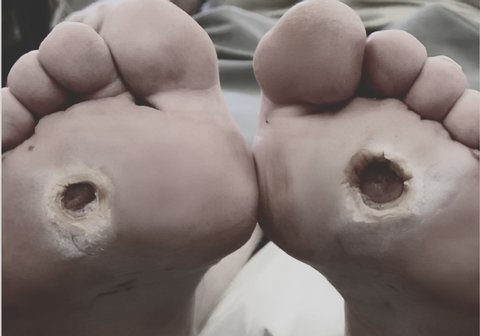
Diabetic Foot Ulcers
Open wounds on the foot can become difficult to heal, particularly when sensation or circulation is reduced. Surgical wound management may help remove unhealthy tissue and support the development of healthy tissue.
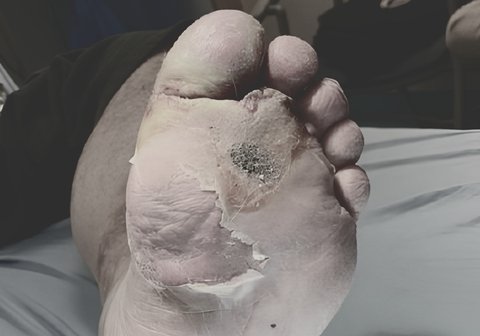
Foot Infections
Infections can spread into deeper tissues and become increasingly difficult to control. Surgery may be required to drain infection or remove affected tissue while preserving as much healthy tissue as possible.
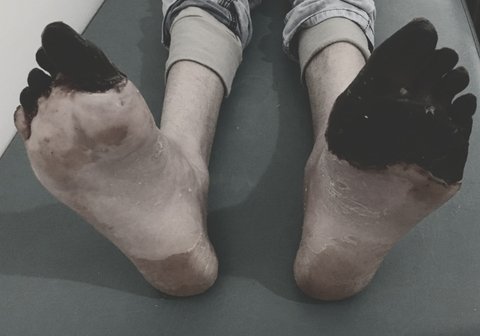
Tissue Necrosis
Severely damaged or dead tissue needs careful assessment and, when necessary, removal to prevent further complications. Debridement can help create a cleaner wound environment and support subsequent healing.
You May Be Suitable for Diabetic Foot Surgery If:
Surgery may be considered when a diabetic foot problem is not responding adequately to conservative wound care or when infection and tissue damage require more active treatment. A thorough assessment helps determine the extent of the problem and the most appropriate surgical approach.
-
1
You have a non-healing foot ulcer
Persistent ulcers may require removal of unhealthy tissue and surgical wound management when regular dressings and other treatments are not providing sufficient healing.
-
2
You have a serious or spreading infection
Deep infections can damage surrounding tissues and may require prompt surgical treatment to control infection and protect healthier parts of the foot.
-
3
You have damaged or dead tissue
Non-viable tissue can interfere with healing and increase infection risk. Surgical removal helps create a healthier wound bed for further treatment.
-
4
You have a foot deformity causing pressure
Certain deformities can repeatedly place pressure on specific areas and lead to recurring wounds. Corrective surgery may help reduce pressure and support long-term wound healing.
What to Expect from Diabetic Foot Surgery
Treatment is planned according to the severity of the wound, infection, circulation, and overall foot condition. The goal is to control the underlying problem while preserving healthy tissue and supporting progressive wound healing.
- The wound and surrounding tissues are carefully examined before treatment.
- The extent of infection, tissue damage, and healing potential is assessed.
- Investigations may be recommended to guide the surgical approach and wound care plan.
- Damaged, infected, or non-viable tissue may be carefully removed when required.
- The wound is managed using appropriate dressings or advanced wound-care techniques.
- Further procedures may be considered depending on healing and tissue coverage needs.
- Regular wound assessment helps monitor healing and identify complications early.
- Dressing changes and wound-care instructions are continued throughout recovery.
- Follow-up treatment is planned according to wound progress and individual healing needs.
Why Choosing the Right Plastic Surgeon in Mumbai Matters?
Meet Dr. Shraddha Deshpande
Managing diabetic foot complications requires careful surgical judgment because preserving healthy tissue and supporting wound healing are both important. An experienced surgeon can assess the wound comprehensively, determine when surgery is appropriate, and coordinate surgical treatment with ongoing wound care to support the best possible functional outcome.
Dr. Shraddha Deshpande approaches complex wounds with attention to both tissue healing and functional recovery. Her experience in reconstructive surgery and advanced wound care allows surgical treatment to be considered alongside appropriate wound-management strategies, with the aim of creating a healthy foundation for healing.


Diabetic foot wounds require timely assessment and careful management. When surgery is needed, preserving healthy tissue and creating the right conditions for healing are central to treatment
FAQs
Common Questions About Diabetic Foot Surgery
We understand that choosing an aesthetic procedure comes with questions. Here you’ll find clear, honest answers to help you understand the treatment and what to expect.
No. Many ulcers can be managed with wound care and other non-surgical treatments. Surgery is considered when there is significant infection, damaged tissue, persistent non-healing, or another complication requiring surgical intervention.
Early and appropriate treatment can help control infection and remove damaged tissue while preserving healthy structures. However, the possibility of amputation depends on the extent of infection, tissue damage, circulation, and overall condition of the foot.
Recovery varies depending on the procedure, wound size, infection, circulation, and healing response. Regular wound care and follow-up are important throughout the recovery period.
Surgery can help create a healthier environment for wound healing, but healing also depends on factors such as blood sugar control, circulation, infection management, nutrition, and adherence to wound-care instructions.
A persistent wound can become infected and may progress into deeper tissues. Early medical assessment is important when a diabetic foot wound is not healing or shows signs of infection or deterioration.
Take the Right Step Towards Diabetic Foot Care
If you have a non-healing diabetic foot wound, infection, or damaged tissue, timely evaluation can help determine whether surgical treatment is appropriate. Consult Dr. Shraddha Deshpande for a detailed assessment and an appropriate wound management plan.

Explore our Other Surgeries
Experienced, Board Certified
Plastic Surgeon in Mumbai
Breast Surgery

Facial Surgery

Body Surgery