What Is Ozempic Face?
Causes, Early Signs, and the Best Ways to Treat It
Losing weight is often seen as a positive step toward better health and confidence. However, many people notice unexpected changes in their facial appearance during the process, especially when the weight loss is rapid. The face may start to look tired, hollow, or older, which can be surprising.
This is commonly known as Ozempic Face, a term used to describe facial volume loss and skin changes after significant weight loss. Identifying these changes at an early stage can help in managing them effectively and maintaining a naturally youthful appearance with expert care from Dr. Shraddha Deshpande, a trusted Plastic and Reconstructive Surgeon in Mumbai.
What Is Ozempic Face?
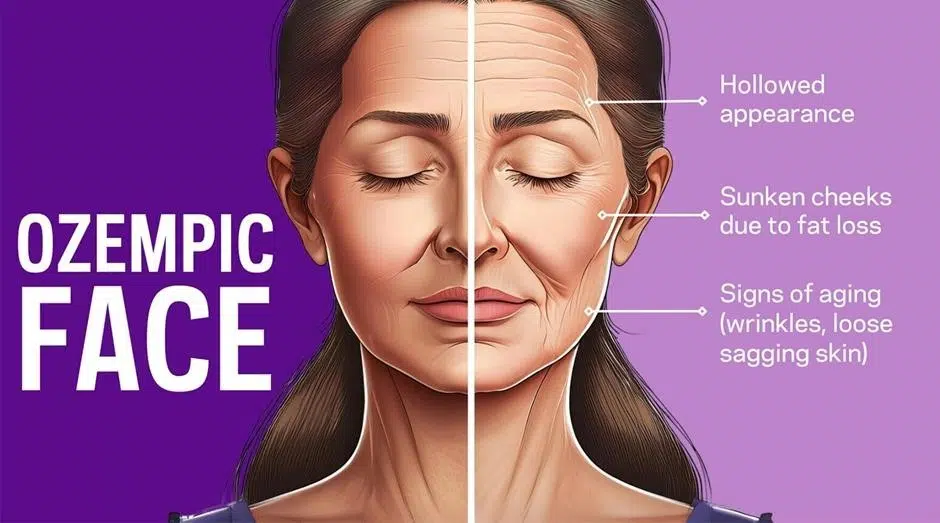
Ozempic Face is a commonly used term for facial changes that occur after sudden or rapid weight loss. It is often linked with weight loss medications, but it can happen with any fast weight reduction.
These changes usually include:
• Sunken or hollow cheeks
• Loose or sagging skin
• A tired or aged appearance
This happens because the face loses fat, which normally helps keep it soft, smooth, and youthful.
Causes of Ozempic Face
- Rapid Weight Loss
One of the main reasons behind Ozempic Face is losing weight too quickly. When fat is reduced rapidly, the face also loses volume. - Facial Volume Loss
Loss of facial fat leads to a hollow look. This is one of the most noticeable signs of facial volume loss. - Reduced Skin Elasticity
When skin cannot adjust to sudden weight loss, it may start sagging. This is commonly seen as loose skin after weight loss. - Ageing Skin
As we age, collagen levels decrease, making skin less firm and more prone to sagging. - Muscle Loss
In some cases, weight loss also affects muscle tone, which impacts facial structure.
Early Signs of Ozempic Face
The early signs are usually easy to notice. They may include:
• Hollow cheeks.
• Thinner-looking face.
• Loose or sagging skin.
• More visible wrinkles.
• Tired appearance around the eyes.
• Less definition in the jawline.
These changes can appear gradually or fairly quickly, depending on how much weight is lost and how the skin responds.
Best Ways to Treat Ozempic Face
There are several ways to improve the facial changes caused by rapid weight loss. The right treatment depends on the person’s age, skin quality, and degree of volume loss.
- Dermal Fillers
Dermal Fillers treatment can restore lost volume in the cheeks, temples, and under-eye area. They help the face look fuller and more refreshed. - Fat Grafting
Fat Grafting treatment uses the patient’s own fat to replace lost volume in the face. It can give a softer and more natural result. - Skin Tightening Treatments
Non-surgical options like radiofrequency or laser-based treatments may help improve skin firmness and texture. - Facelift or Mini Facelift
For people with more noticeable sagging, a surgical lift may provide better and longer-lasting results.
A qualified Plastic and Reconstructive Surgeon can decide which option is best after checking the facial structure and skin condition carefully.
When Should You See a Doctor?
You may want to consult a specialist if you notice:
• Sudden facial hollowing.
• Loose skin after weight loss.
• A tired or aged appearance.
• Concerns about facial balance or symmetry.
A proper consultation helps you understand whether you need simple skin treatments, fillers, or a more advanced procedure.
Conclusion
Ozempic Face is a common concern that can occur after rapid weight loss, leading to visible changes like facial volume loss and sagging skin. The good news is that with the right approach and timely care, these changes can be effectively managed.
With expert guidance from Dr. Shraddha Deshpande, a skilled Plastic Surgeon in Mumbai, it is possible to restore a natural, youthful appearance through personalized treatment options that suit your needs.