Hair Transplant in Mumbai

Hair plays a major role in framing the face and shaping first impressions. Thinning hair or bald patches can affect not just appearance, but also confidence and self-image. Advances in hair restoration now allow natural-looking results that blend seamlessly with existing hair, helping individuals regain density while maintaining a realistic hairline.
Understanding the Basics
What Is a Hair Transplant?
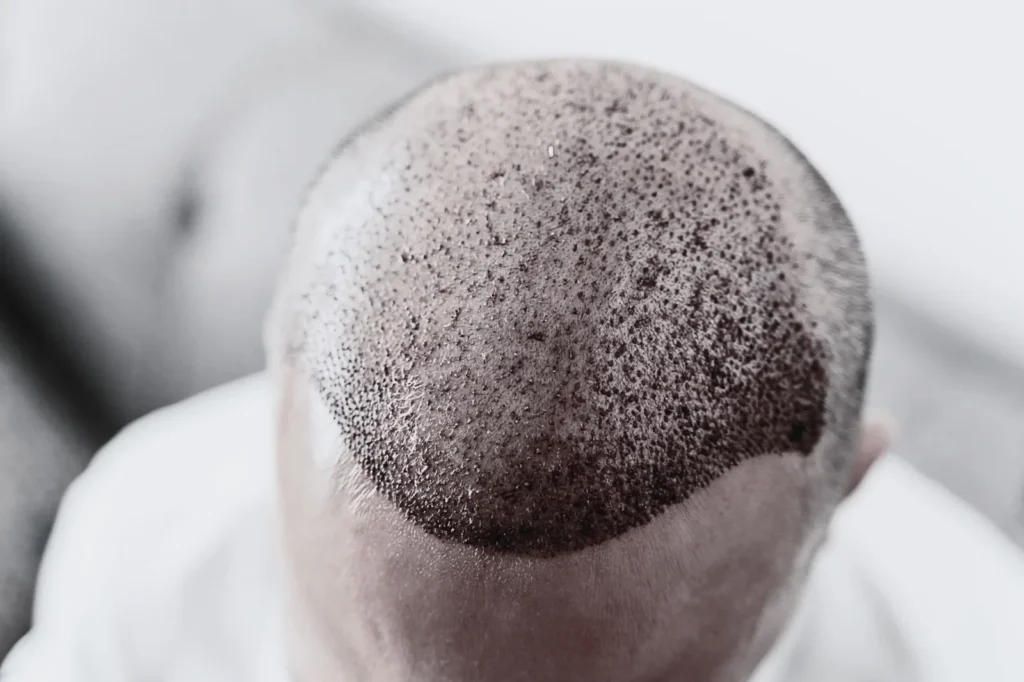
A hair transplant is a surgical procedure that involves relocating healthy hair follicles from donor areas typically the back or sides of the scalp to areas affected by hair loss. These transplanted follicles continue to grow naturally in their new location, resulting in permanent hair restoration.
Modern hair transplant techniques focus on natural hairline design, proper graft density, and minimal trauma to the scalp. The procedure is customised based on the pattern of hair loss, hair quality, scalp condition, and long-term goals, ensuring results that look authentic and age-appropriate.
Types of Hair Transplant
Different techniques are used based on hair loss severity, scalp condition, and aesthetic goals. The appropriate method is selected after a detailed consultation.
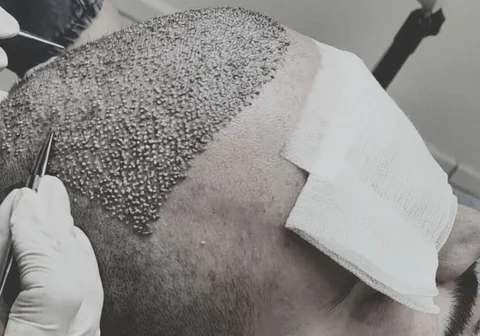
Follicular Unit Extraction (FUE)
Individual hair follicles are extracted and transplanted, resulting in minimal scarring and faster recovery.
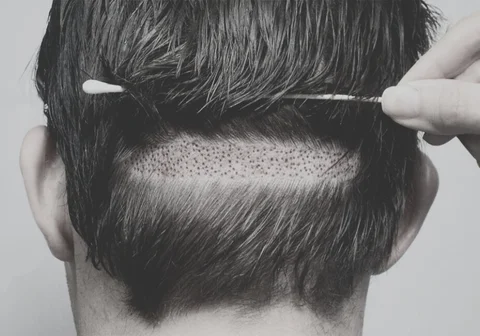
Follicular Unit Transplantation (FUT)
A thin strip of scalp is used to harvest follicles, suitable for patients needing higher graft numbers.
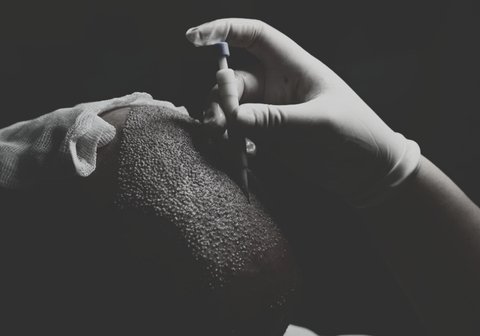
Direct Hair Implantation (DHI)
Hair follicles are extracted and directly implanted into the scalp using a specialized implanter pen.
When to Consider a Hair Transplant Treatment:
Hair transplant is suitable for individuals experiencing hair thinning or hair loss who wish to restore density in a natural way. A detailed evaluation helps determine candidacy and expected outcomes.
-
1
Noticeable Hair Thinning or Bald Patches
You have visible thinning, receding hairline, or bald areas that have not responded to medical treatments.
-
2
Stable Pattern of Hair Loss
Your hair loss pattern has stabilized, allowing for effective planning and long-lasting results.
-
3
Adequate Donor Hair
You have sufficient healthy hair in donor areas to achieve balanced coverage.
-
4
Realistic Expectations
You understand the process, timeline, and natural outcome of hair restoration.
What to Expect from a Hair Transplant
Knowing what to expect before, during, and after hair transplant surgery helps patients feel confident and prepared. This section explains the procedure process, expected results, and recovery journey, offering a clear understanding of how transplant unfolds over time.
- Performed under local anesthesia
- Duration varies based on graft numbers
- Comfortable and minimally invasive
- Initial shedding followed by regrowth
- Visible improvement in 3–4 months
- Full results seen in 9–12 months
- Mild swelling or scabbing initially
- Return to routine activities within days
- Detailed aftercare instructions provided
Why Choose Dr. Shraddha Deshpande for Hair Transplant in Mumbai
A successful hair transplant requires not only technical skill but also a deep understanding of individual patient needs. Dr. Shraddha Deshpande combines modern techniques with personalized care to deliver results that are both natural and long-lasting.
- Tailored treatment plans for each patient’s unique hair type and goals
- Expertise in advanced hair transplant techniques for precise and safe outcomes
- Focus on a natural-looking hairline and density

FAQs
Common Questions About Hair Transplant
We understand that choosing an aesthetic procedure comes with questions. Here you’ll find clear, honest answers to help you understand the treatment and what to expect.
Yes, a hair transplant is considered a permanent solution because the transplanted hair follicles are taken from areas that are genetically resistant to hair loss. Once implanted, these follicles continue to grow naturally in the new area for many years, although natural ageing of hair may still occur over time.
Hair transplant is performed under local anaesthesia, which makes the procedure comfortable for most patients. You may feel mild pressure or movement during the procedure, but pain is minimal. Any post-procedure discomfort is usually mild and manageable with prescribed medication.
Initial recovery usually takes a few days, during which mild swelling, redness, or scabbing may be present. Most patients return to daily activities within a short period, while complete healing of the scalp continues gradually over the following weeks with proper aftercare.
Transplanted hair typically sheds within the first few weeks, which is a normal part of the process. New hair growth usually begins after three to four months, with visible improvement over time and full results becoming apparent between nine to twelve months.
Yes, when the procedure is planned and executed correctly, transplanted hair grows naturally and blends seamlessly with existing hair. Factors such as hairline design, graft placement, and angle of growth play an important role in achieving a natural appearance.
The number of grafts required varies based on the extent of hair loss, scalp condition, and desired density. During consultation, a detailed assessment is done to estimate graft requirements and set realistic expectations for coverage and results.
Book Consultation to Get Your Dream Hair
If hair loss is affecting your confidence, a personalized consultation can help explore safe and effective treatment options suited to your needs.

Explore our Other Surgeries
Experienced, Board Certified
Plastic Surgeon in Mumbai